

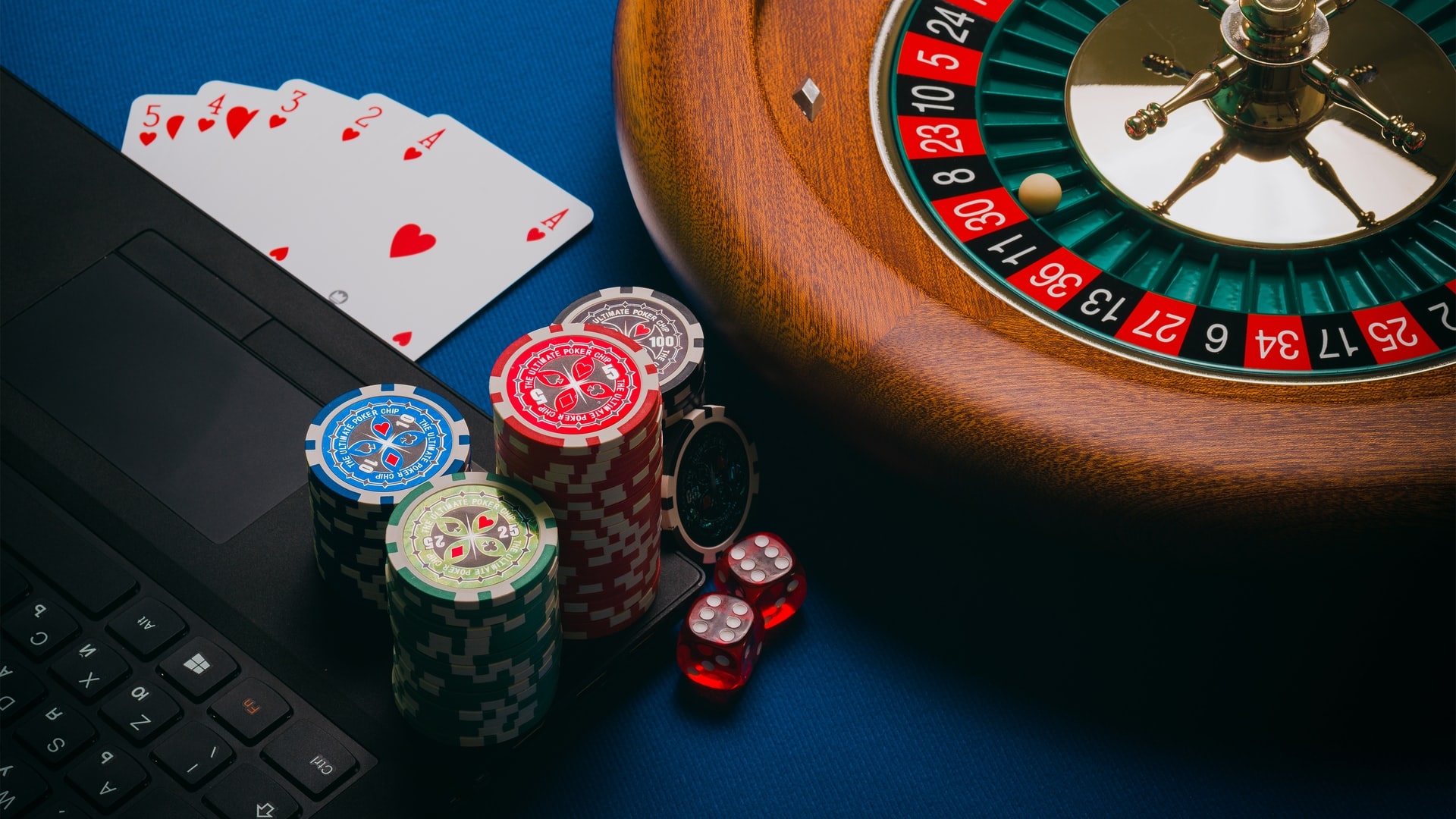
I vividly recall the first time I settled at a French Roulette table and saw the croupier send the ball along the rim with that trademark flick of the wrist. Next go to the page glitzy American double-zero wheel, French Roulette seemed deliberately restrained, almost refined. The table layout itself shows you everything you need to know: it is presented entirely in French, the betting grid runs along both sides of the single zero, and the pace is steady rather than hectic. That initial session reinforced something crucial. French Roulette is far from being a variant; it is the mathematically better ancestor of all modern roulette game you will encounter. If you are checking out the live casino section at Mond Casino, understanding this game offers you a true strategic advantage before you place a single chip. The house edge here is 50% what you would deal with on an American wheel, and that difference accumulates over all spin.
Trying French Roulette on Phone and Desktop at Mond Casino
I have experienced French Roulette across various devices now, and the experience at Mond Casino remains solid remarkably whether I’m on a 27‑inch monitor or a smartphone screen. The live dealer streams transmit from dedicated studio environments where the lighting is calibrated to eliminate glare on the wheel, and multiple camera angles let you change between a wide table view and a close‑up of the ball track. On mobile, the interface stacks the betting grid below the video feed and gives one‑tap chip denomination selection. I especially like that the racetrack shows up as an expandable overlay rather than filling the main screen. On smaller displays that spatial economy is important when you are attempting to place a Voisins bet with ten seconds left on the timer. The desktop version offers you the full table view plus a statistics panel showing hot and cold numbers, recent spin history, and percentage distributions across dozens and columns. Both platforms support auto‑rebet for called bets, which saves you from rebuilding complex sector wagers manually after every spin. Streaming quality changes automatically to your connection speed, and I have hardly ever experienced a dropped frame during critical betting moments.
Why I Keep Coming Back to the French Roulette Table Over Any Other Game
After accumulating hundreds of hours across virtually every roulette variant available online, I consistently choose French Roulette for one overarching reason: the math favours the player in a way no other wheel game can. The 1.35 percent house edge on even‑money bets when La Partage is active converts roulette from a novelty into a truly defensible strategic choice. Add the announced bet system and you have a game that rewards both analytical discipline and a detailed understanding of wheel geography. The pace fosters deliberation rather than rapid‑fire clicking, and the ritualistic elements (the croupier’s announcements, the ball’s deceleration, the final settling into a numbered pocket) create a tension that digital RNG games just cannot replicate. At Mond Casino the live dealer tables convey that atmosphere authentically, and the platform’s technical reliability means I can devote myself to my betting decisions rather than wrestling with buffering streams or clunky interfaces. If you come to the table with a clear bankroll plan, a solid grasp of the rules that shield your even‑money wagers, and a genuine curiosity about wheel‑sector betting, French Roulette provides the most complete and player‑favourable roulette experience you will find anywhere online right now.
Depositing Cashing out and Claiming the Welcome Bonus for Real-time Table Games
Before you enter a French Roulette table at Mond Casino, arranging your payment method and comprehending bonus terms directly affects how comfortably you can play. The cashier provides a wide mix of deposit options such as Visa and Mastercard, Skrill, Neteller, Paysafecard, and direct bank transfers. Card deposits typically process instantly and have no platform‑side fees, while e‑wallet transfers go through within seconds. When you are ready to withdraw, e‑wallet payouts commonly land within 24 hours after account verification, while bank transfers and card withdrawals can require between three and five business days according to your financial institution. The welcome package at Mond Casino is structured as a deposit match paired with free spins, but I always read the contribution weighting table attentively before activating any bonus. Live roulette games, such as French Roulette, often contribute at a reduced percentage toward wagering requirements than slots, at times as low as ten percent or even zero. That implies if you deposit particularly to play French Roulette, you could need to clear the playthrough in another place or forgo the bonus altogether. I typically check the specific promotional terms on the site before committing funds, because the optimal choice depends entirely on whether roulette play qualifies meaningfully toward the release conditions.
Licence oversight, Equity Checks, and Player Protection Systems
Whenever I evaluate an online casino for live wagering on tables, I consider the regulatory framework and the system fairness protocols before all else. Mond Casino holds a recognised European gaming licence that requires periodic inspections of RNG for digital games and surveillance protocols for live dealer operations. The real‑time French Roulette tables I have observed use physical equipment built by professional gaming suppliers, and the dealing procedures comply with strict protocols that include periodic balance inspections and ball movement assessment. On the player protection front, the platform offers compulsory spending caps that activate during registration, along with session time reminders that pop up at periods you can adjust. Self‑exclusion options and awareness prompts are reachable immediately from your user interface without requiring assistance from customer support. I find the duration alerts extremely valuable for French Roulette sessions because the gentler rhythm of the game can make time pass without awareness. The combination of transparent licence details and clear player protection framework suggests that the operator focuses on adherence over bypassing rules, which immediately helps anyone betting actual cash on outcomes based on a revolving wheel and a tumbling ivory ball.
Called Bets and Sector‑Based Approaches
Declared wagers are what really distinguish French Roulette from all other variants. Rather than spreading chips across individual numbers, you announce a sector‑based wager and the dealer sets the required group of straight‑ups, splits, and sometimes corner bets to include every number in that physical wheel segment. The Voisins du Zéro, neighbours of zero, requires nine chips to cover the sequence from 22 through 25 on the wheel, including zero. You receive two chips on the 0‑2‑3 trio, one chip on each of five different splits, and two more covering the corner of 25 through 29. The total cost is greater per spin, but you are playing almost half the wheel with strategic precision. Tiers du Cylindre uses six chips to include twelve numbers, typically placed as six split bets across the section opposite zero. For lower budgets I often recommend starting with Tiers because it requires fewer units while still providing you sector exposure. Grasping these combinations is important because they connect your betting strategy to the actual mechanical layout of the wheel rather than the abstract numerical grid. That spatial relationship is what experienced wheel‑watchers use when observing dealer signatures or ball drop zones over extended sessions.
Money Management and Session Planning for French Wheel Roulette
Because European Roulette provides the minimum mathematical house edge of any wheel‑based game, your bankroll goes further here than on American or standard European tables, but only if you structure your session deliberately. I assign each session into units equal to the table minimum, and I never risk more than two percent of my total bankroll on a single spin. If the table minimum is one euro and my bankroll is 500 euros, each spin caps at ten euros regardless of how certainly I have been tracking a particular sector. Even‑money bets combined with La Partage create a grinding rhythm where you can feasibly sustain 150 to 200 spins without catastrophic drawdowns, but sector bets like Voisins du Zéro carry higher volatility because you are exposing multiple units to a single result. I recommend mixing the two approaches: use flat even‑money bets to maintain presence at the table while occasionally layering a smaller sector bet to chase the higher payouts that straight‑ups and splits deliver. Session length matters too. After roughly 90 minutes of continuous play, decision fatigue sets in and most players, myself included, start making impulsive choices. Set a hard time limit before you log in.
The Single Zero Layout and the Numbers Behind It
The main characteristic that distinguishes French Roulette from its American and European counterparts is not just the single zero (European wheels also have one) but rather how the house handles bets when that zero hits. On a standard French Roulette wheel you will find numbers 1 through 36 alternating in red and black, plus a single green pocket marked with a zero. That configuration generates a natural house edge of 2.70 percent, which is exactly half the 5.26 percent edge associated with American double-zero wheels. I have run the numbers across hundreds of simulated spins, and the statistical difference grows painfully evident after a few hours of play. What enhances French Roulette further is the pair of player-protection rules that European tables often lack: La Partage and En Prison. These mechanics specifically cut the house edge on even-money outside bets to just 1.35 percent. That is on par with blackjack when you play optimal strategy, and it makes French Roulette the only wheel-based game I consistently recommend to analytical players who track their expected return over time.

The Difference Between French Roulette From European Roulette in Real Gameplay
A lot of players assume French and European roulette are interchangeable because both feature single‑zero wheels. In reality, the differences are more significant than the language on the layout. Typical European roulette does not automatically apply La Partage or En Prison when zero lands. Your even‑money bets lose completely except if the specific table or software version includes the rule as an optional feature. I have tried dozens of European roulette games across online platforms, and the default setting strongly favours the full loss on zero, which maintains the full 2.70 percent house edge across all bet types. European tables also rarely feature the racetrack or offer announced bets in the traditional verbal format. Another distinction is the table layout itself: European roulette positions the single zero at the top of the number column, while French tables often center it within the layout and frame the numbers with symmetrical outside betting boxes written in French. The croupier’s rhythm also varies. French dealers usually use a longer spindle spin and permit a sustained betting window after the ball is launched, whereas European tables tend to call final bets more abruptly. These operational differences may appear cosmetic, but they influence your ability to put complex wagers under pressure.
The Special Table Layout and French Nomenclature
Approaching a French Roulette table for the first time may feel like walking into a 19th‑century Parisian gaming salon. The betting grid uses French terms only, and understanding them prevents awkward miscommunication with the dealer. You will see Passe for high numbers 19 through 36, Manque for low numbers 1 through 18, Pair for even, and Impair for odd. The dozens are called Première Douzaine, Moyenne Douzaine, and Dernière Douzaine. One feature I find valuable is the racetrack, an oval betting area separate from the main grid that mirrors the wheel’s physical number sequence. This enables you to place announced bets, also known as call bets, which encompass specific wheel sectors rather than numerical groups. The Voisins du Zéro bet encompasses the 17 numbers surrounding zero on the wheel, Tiers du Cylindre includes roughly a third of the wheel opposite zero, and Orphelins includes the two orphaned sections between those groups. Naming these bets verbally commits you even before chips are placed, so practicing the pronunciation in your head beforehand avoids hesitation when the countdown timer ticks toward the final seconds.
The La Partage and En Prison Rules Explained in Detail
When the ball lands on zero in a game using La Partage, the dealer instantly returns half of every losing even-money wager to the players. If you had 10 euros placed on red, you get 5 euros back without question. This is not a courtesy; it is a codified rule that mechanically cuts the house edge in half on those specific bets. En Prison operates otherwise but achieves the same mathematical outcome. When zero appears, your even-money bet becomes held on the table for the next spin. If that subsequent spin wins, you get back your original stake without any profit. If it loses, the house claims everything. Some tables allow double imprisonment where a second consecutive zero locks the bet for another round. At Mond Casino, I have noticed the live dealer tables usually use La Partage because it speeds up gameplay and eliminates ambiguity, though En Prison appears in certain high‑limit rooms. Both rules solely apply to the outside bets: red or black, odd or even, and high or low. They never trigger on inside bets like straight‑ups, splits, or corners, which ride fully on the 2.70 percent house edge regardless.