The Nature of Luck in Gaming
Luck is often perceived as a strange force, an intangible variable that plays a significant role in gaming outcomes. In games of chance, such as slots or roulette, players frequently attribute their wins and losses to luck, especially when they consider factors like instant casino withdrawal time and the unpredictability of their choices. This belief springs from the understanding that the outcomes are random and cannot be controlled or influenced by skill. For many, the idea of luck brings an element of thrill and excitement as they hope for favorable results. However, distinguishing between luck and strategy is essential for a comprehensive understanding of how outcomes are decided.
This notion of luck is deeply rooted in human psychology. People tend to remember their fortunate moments, reinforcing the belief in luck’s power in shaping outcomes. Yet, it’s crucial to recognize that while luck can impact results in the short term, these outcomes are still governed by statistical probabilities and randomness. Thus, a lucky streak may seem meaningful, but it could be simply a product of chance rather than a sustainable trend. This dichotomy highlights the delicate balance between luck and the underlying mathematical principles that dictate game design.
Acknowledging that luck influences outcomes can lead to a nuanced approach to gaming. Players may find joy in playing games purely for entertainment, understanding that luck might govern their success or failure. Game developers capitalize on this by crafting experiences that evoke the thrill of uncertainty, drawing players into worlds where fortune favors the bold. Ultimately, considering luck’s impact allows players to approach gaming with a clearer mindset, appreciating both its unpredictable nature and the strategic elements inherent in many games.
Mathematical Determinism vs. Randomness
Every game, especially in a casino setting, operates under the principles of mathematics and probability. For instance, card games like poker or blackjack involve skillful decision-making, while the results of spinning a slot machine depend solely on random number generators. This distinction emphasizes the role of mathematical determinism in shaping outcomes. While luck can manifest in short-term results, the longer one plays, the more likely statistical probabilities will play out. This means luck might momentarily favor a player, but ultimately, outcomes tend to align with the odds established by the game’s design.
In games where skills and strategies can be applied, like poker, players have the potential to influence outcomes through their decision-making abilities. Understanding the odds, reading opponents, and calculating risks all contribute to a player’s success. However, even the most skilled players experience bouts of bad luck, demonstrating that no amount of skill can completely eliminate chance. This interplay between skill and luck creates a dynamic gaming environment, pulling players into a perpetual cycle of hope, strategy, and unpredictability.
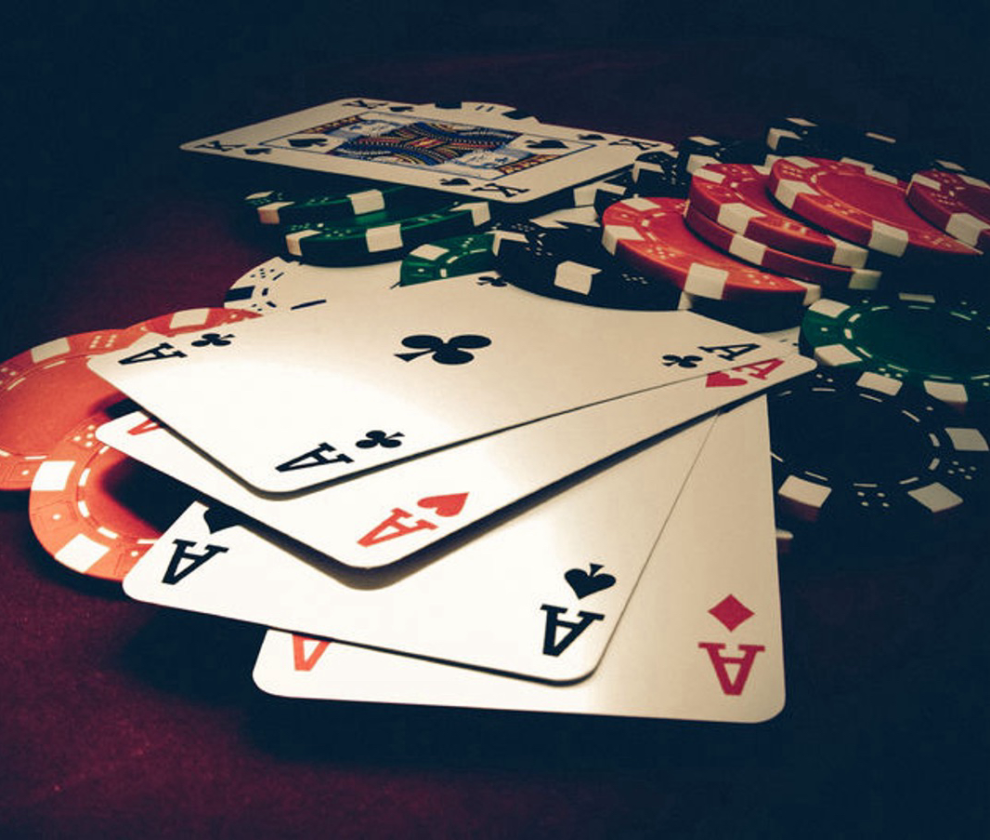
Moreover, the design of games incorporates randomness intentionally. For example, a game may feature a high volatility setting, which leads to large payouts interspersed with extended periods of losses. Here, the role of luck becomes even more pronounced as players become dependent on hitting a winning combination or triggering a bonus round. Understanding the mathematical foundation of games helps players navigate the complex relationship between luck and skill, resulting in a more informed approach to how they engage with these experiences.
The Psychological Effects of Luck on Players
The concept of luck in gaming extends far beyond mere outcomes; it profoundly influences player psychology. Many gamblers experience a phenomenon known as the ‘gambler’s fallacy,’ where they believe previous outcomes will affect future ones. For example, if a player experiences a series of losses, they may feel a win is ‘due.’ This belief can lead to chasing losses and risky betting behavior, which blurs the line between strategic play and superstition. Recognizing how psychological factors intertwine with the belief in luck can help players make sounder decisions.
Additionally, the social aspect of gaming can amplify the idea of luck. Players often share their stories of miraculous wins, creating an environment where luck seems omnipresent. This narrative can cultivate a sense of community among players, bonding over shared experiences of fortune. Thus, the stories of luck become just as important as the outcomes themselves, perpetuating the belief that luck is a substantial factor in gaming. However, these shared tales can sometimes distort reality, as players may overlook the times when luck was not on their side.
The exploitation of luck is also evident in the marketing strategies of gaming establishments. Promotions and bonuses often target the luckiest players, showcasing winners in advertisements to entice new customers. This tactic further embeds the idea of luck in gaming culture, creating a cycle where players seek that elusive winning experience. Understanding the psychological ramifications of this obsession with luck can empower players to develop healthier gaming habits and foster a mindset focused on enjoyment rather than merely winning.
Strategies for Managing Expectations and Outcomes
Given the unpredictable nature of gaming outcomes influenced by luck, managing expectations is essential for a satisfying gaming experience. Players should approach gaming with a balanced perspective, recognizing that while luck can play a significant role, it should not dictate their overall enjoyment or sense of worth. Developing a healthy relationship with gaming involves setting limits, understanding the odds, and focusing on enjoyment rather than solely winning. This shift in mindset can mitigate feelings of disappointment and frustration related to luck.
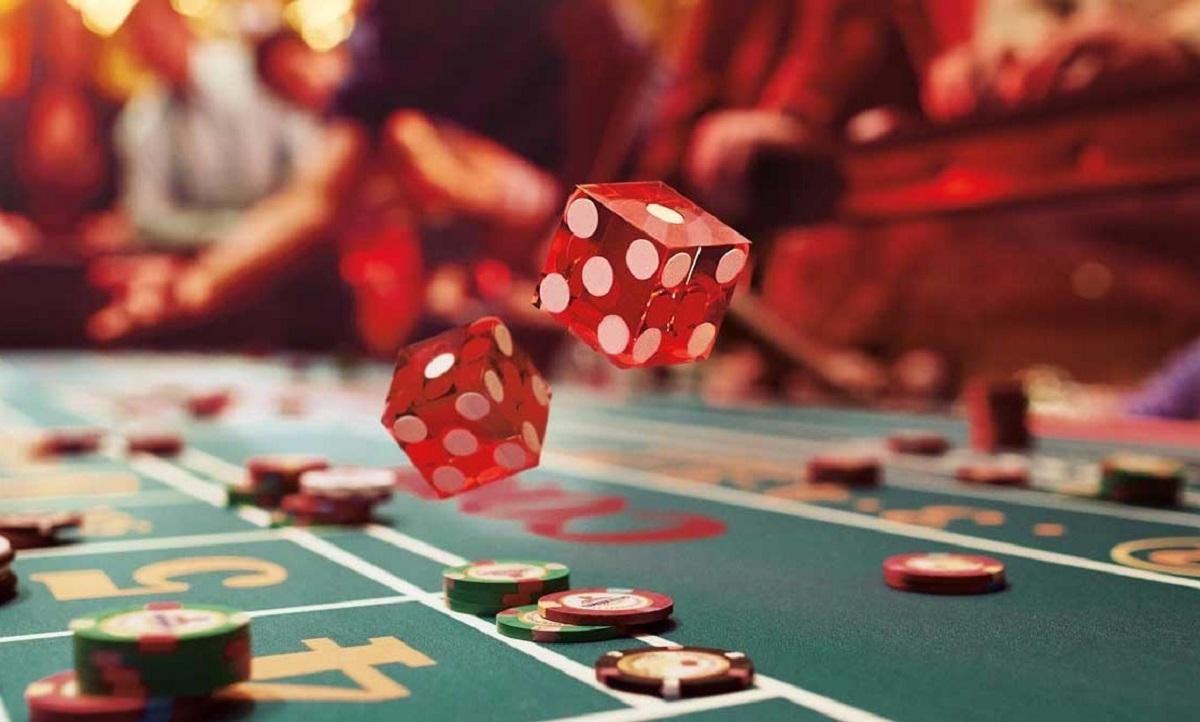
Incorporating strategic thinking into gameplay can also help players navigate their experiences more effectively. By understanding the nuances of the game, players can make more informed decisions, allowing them to exercise some degree of control over their outcomes. However, it is essential to remain cognizant of the role luck continues to play, acknowledging that no strategy guarantees success. This dual approach helps players find a satisfying equilibrium between strategy and the unpredictable nature of chance.
Ultimately, embracing the role of luck can enhance the enjoyment of gaming. Instead of perceiving luck as a fickle adversary, players can see it as a thrilling component of the gaming experience. This perspective allows players to engage more profoundly with the games they love, creating memorable moments that transcend financial outcomes. Emphasizing enjoyment over expectation fosters a healthier approach to gaming, where luck is celebrated as part of the adventure rather than something feared or resented.
Embracing the Gaming Experience Through a Comprehensive Lens
The world of gaming is multifaceted, influenced by the age-old debate between luck and skill. Understanding how these factors intertwine enhances the overall experience. Players who recognize and embrace the inherent unpredictability of luck can navigate their gaming journeys with a clearer perspective. Such awareness promotes a healthier approach to gaming, where enjoyment and social connection take center stage rather than solely focusing on winning or losing.
Moreover, the narratives surrounding luck in gaming help create captivating experiences. Players are drawn to the idea of beating the odds or experiencing the thrill of a last-minute victory. These stories can elevate the gaming experience, making it more than just a quest for monetary gain. By approaching gaming with this broader lens, players can appreciate the unique tapestry of factors contributing to their experiences, including luck, skill, and the human connection built through shared moments.
Ultimately, every gaming session can be viewed as an opportunity for discovery and entertainment. Recognizing the blend of luck and strategy enriches the experience, allowing players to celebrate each moment, regardless of the outcome. By reframing the conversation around luck, players can find greater satisfaction and joy in their gaming pursuits, fostering lasting memories that extend beyond the realm of chance.